The oldest flatwork in La Habra is close to a century old. Walks, steps and porches near downtown were poured for houses on raised foundations in the 1920s and 1930s, thin and unreinforced.
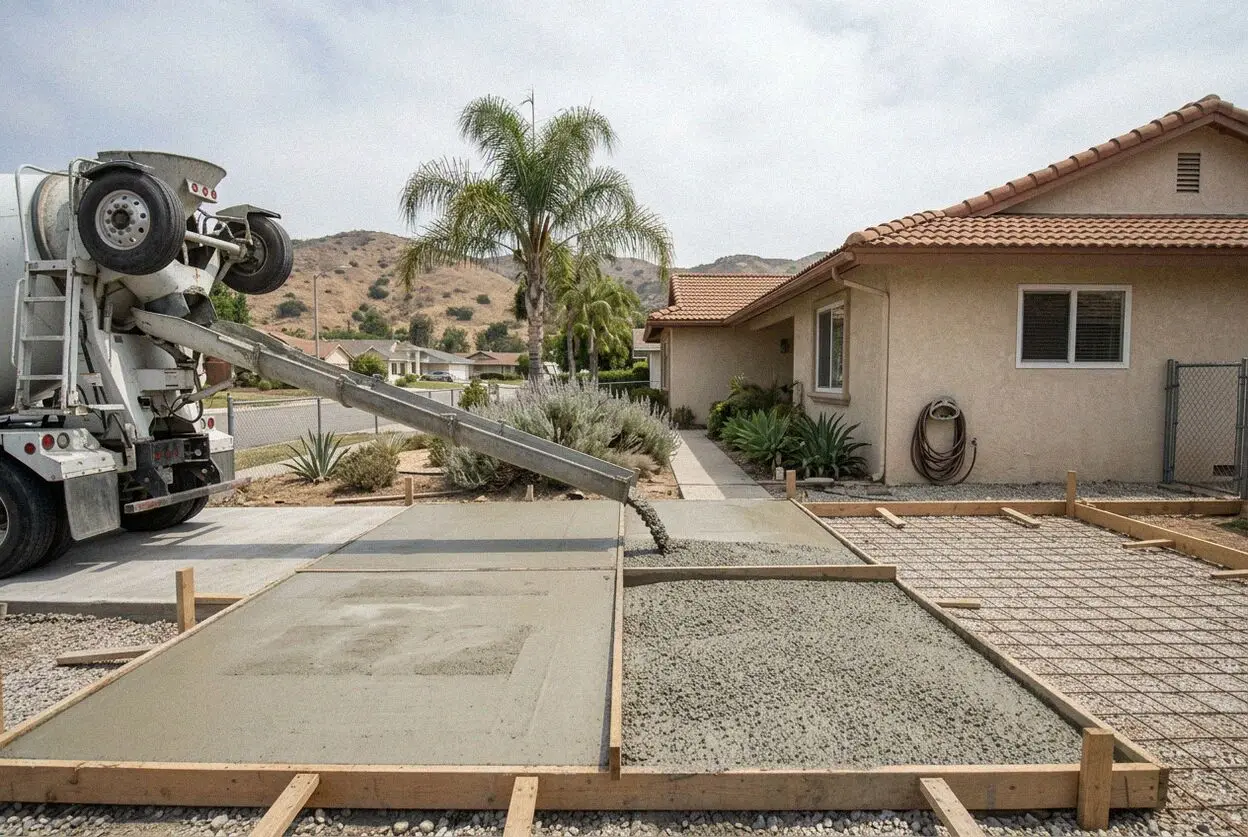
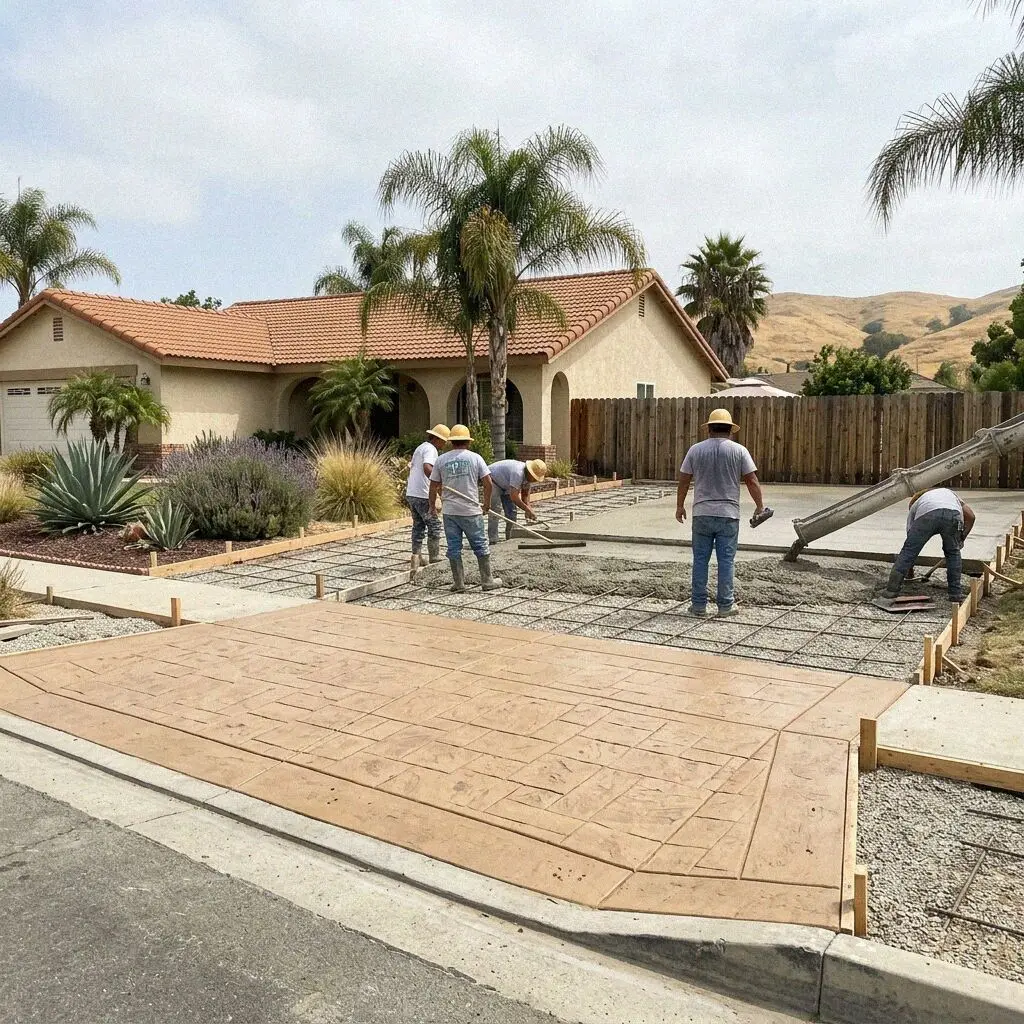
That concrete has done its work and cannot be patched. A slab with no steel in it breaks into pieces that move on their own, and a 90 year old walk near La Habra Boulevard is usually six or seven of them, each at its own height. Grinding the lips buys a year. Replacing the run at 4 inches on 4 inches of compacted base, with steel on an 18 inch grid, gives a walk that moves as one piece, and we set the top to the old porch step so the rise a family has climbed for decades does not change.
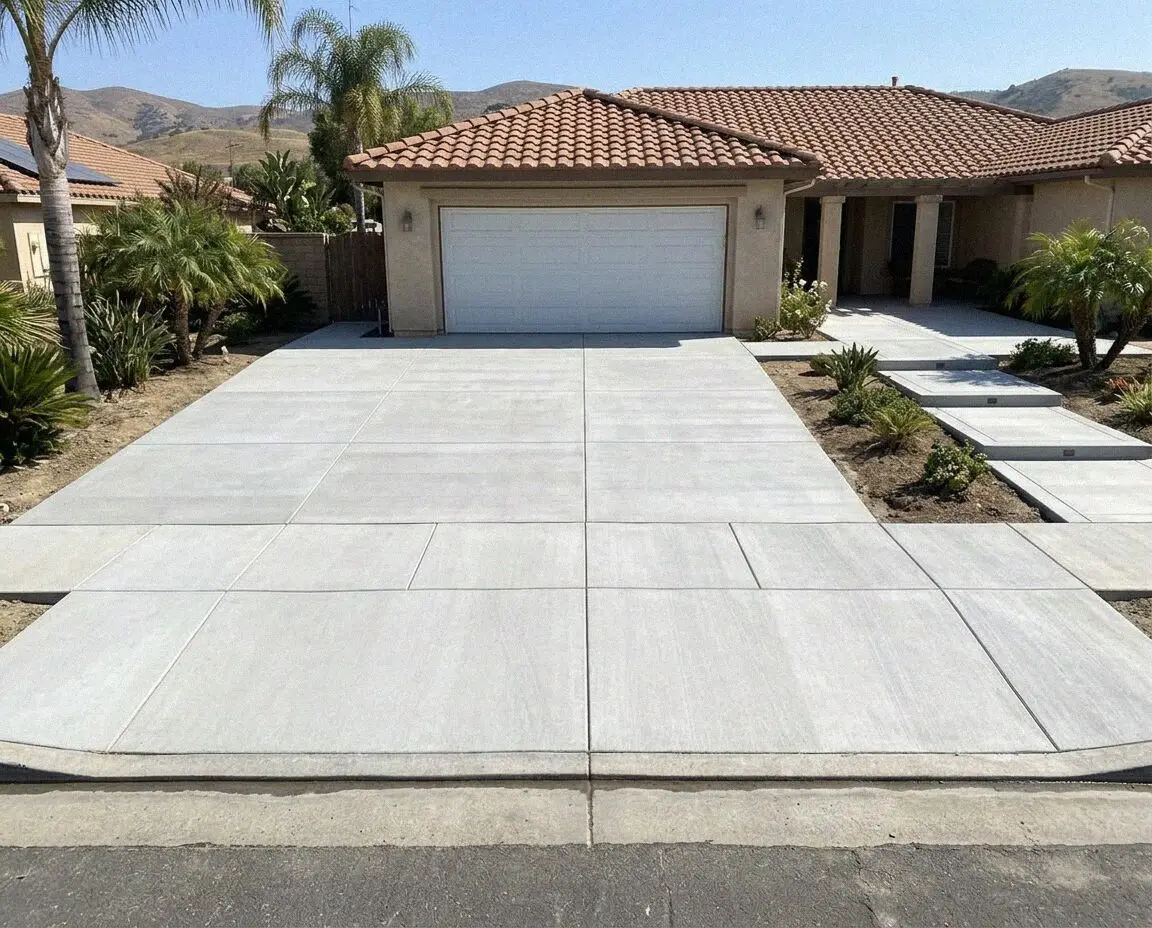
The 1950s and 1960s tracts to the south, off Idaho Street and toward Beach Boulevard, are a different job. The houses are on slabs, the drives are wider, and the concrete is 60 years old rather than 90, which usually means the drive is sound in the middle and failed at the apron and the garage door, where the wheels turn. There we replace the two ends and dowel them into the middle panels, or the whole drive when the middle has gone too, and the estimate says which before a saw starts.